
The Symbolism of Pomegranate in the Armenian Culture
Armenian culture is rich in symbols, traditions, and deep historical roots. Among the most cherished symbols is the pomegranate, a fruit that represents life, fertility, and prosperity. Found in mythology, religion, art, and cuisine, it holds a special place in Armenian identity. Whether carved into ancient manuscripts or enjoyed in a glass of wine, the symbolism of pomegranate continues to thrive in Armenia’s traditions.
The Historical Significance of Pomegranates in Armenia
The pomegranate has been deeply intertwined with Armenian history for centuries. It appears in ancient Armenian mythology, symbolizing abundance and protection against evil. One belief states that the fruit contains 365-366 seeds, representing each day of the year. This connection to time and continuity reinforces the idea of pomegranate as a symbol of life.
Armenian kings and religious leaders often used pomegranate motifs in architecture and manuscripts. The Temple of Garni, dating back to the 1st century AD, features pomegranate carvings, showcasing its significance in pre-Christian Armenia.
The Religious Symbolism of Pomegranate in Armenian Christianity
With Armenia being the first nation to adopt Christianity as a state religion in 301 AD, many ancient symbols were incorporated into Christian traditions. The symbolism of pomegranate in Armenian Christianity is linked to divine blessings, eternal life, and the blood of Christ.
Medieval Armenian manuscripts, dating back to the 6th or 7th century, frequently feature pomegranate illustrations with Christian connotations. Armenian khachkars (cross-stones) and church decorations often include pomegranate imagery as a symbol of resurrection and faith. The fruit is sometimes used in religious ceremonies, reinforcing its role in Christian spirituality.
The Cultural and Social Meaning of Pomegranates in Armenia
Beyond religion, pomegranates hold deep meaning in Armenian social traditions. This fruit is a symbol of fertility, good fortune, and prosperity in family life.
Armenian weddings feature a unique ritual where the bride breaks a pomegranate, scattering its seeds to bless the marriage with children and happiness. During the New Year celebrations, pomegranates are placed on tables as a sign of abundance and renewal. The belief that pomegranates ward off evil spirits is still present in Armenian folklore, adding to their mystical significance.
Pomegranate in Armenian Art, Literature, and Folklore
The symbolism of pomegranate is deeply embedded in Armenian art and storytelling. Many artists, poets, and filmmakers have used the fruit as a representation of Armenian endurance and creativity.
One of the most famous films in Armenian cinema, “The Color of Pomegranates” by Sergey Parajanov, uses the fruit as a metaphor for Armenia’s rich cultural spirit. The renowned Armenian painter Martiros Saryan portrayed pomegranates in many of his works, including the famous painting “Under Pomegranate Tree.”
Pomegranates appear in folk tales and proverbs, often symbolizing patience and wisdom. A well-known Armenian saying states, “The pomegranate ripens in its own time,” emphasizing the value of perseverance.
Pomegranates are also popular in Armenian craftsmanship. Markets across Armenia are filled with pomegranate-shaped souvenirs, including jewelry, ceramics, and paintings, making them a perfect symbolic gift for visitors and tourists.
Pomegranates in Armenian Cuisine and Daily Life
The pomegranate is not just symbolic. It is also a staple in Armenian cuisine. Armenians use it in various dishes, from traditional meals to homemade wine.
- Salads & Main Dishes – Pomegranate seeds are often sprinkled on salads, stews, and meat dishes to add a tangy, sweet flavor. They enhance dishes like Ghapan or Kapan, a traditional Armenian salad featuring pomegranates, walnuts, and greens.
- Pomegranate Molasses – A thick syrup made from juice, pomegranate molasses is a key ingredient in Armenian cuisine, commonly used in meat marinades and dressings.
- Medicinal Uses – The shells of the fruit are not wasted. They are often used in herbal remedies for their medicinal properties, believed to aid digestion and boost immunity.
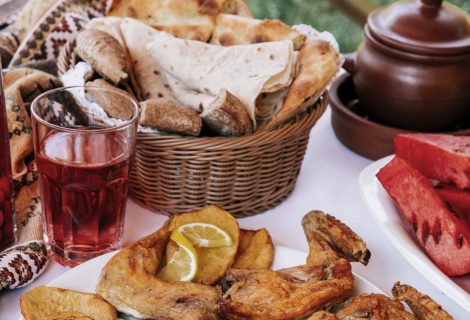
- Pomegranate Wine – Perhaps one of Armenia’s most famous pomegranate products is its semi-sweet pomegranate wine. This unique beverage is known for its deep, rich taste and is a must-try for visitors exploring Armenia’s wine culture.
Pomegranate in Armenian Festivals and Celebrations
Armenia hosts several cultural festivals that highlight the significance of pomegranates. The annual Pomegranate Festival, held in the town of Meghri, is one of the most anticipated events of the year. This festival celebrates the fruit’s role in Armenian traditions, featuring music, dance, and exhibitions of pomegranate-based products. Visitors can taste a variety of dishes and drinks made from pomegranates while learning about the fruit’s historical and cultural significance.
Another important celebration is the New Year and Christmas season, where pomegranates play a central role in decorations and feasts. Armenians often incorporate pomegranate themes in holiday dishes, symbolizing renewal and the hope for prosperity in the coming year. These celebrations showcase how deeply rooted the pomegranate is in Armenian identity.
Pomegranate in Modern Armenian Identity
Even today, the symbolism of pomegranate continues to shape Armenian identity. It is frequently used in modern design, branding, and national events. From jewelry to home decor, pomegranates are a common motif in Armenian-inspired fashion and accessories.
Armenian festivals often celebrate the fruit’s significance. For instance, the annual Pomegranate Festival in Meghri, Armenia, showcases the fruit’s role in local traditions, featuring exhibitions, tastings, and cultural performances. The festival attracts both locals and tourists, highlighting the enduring connection between Armenia and its iconic fruit.
Moreover, the pomegranate remains a symbol of resilience for Armenians in the diaspora. Many Armenian communities worldwide use pomegranate imagery to stay connected to their heritage, emphasizing its role as a representation of survival and cultural pride.
Conclusion
The symbolism of pomegranate in Armenian culture extends far beyond its role as a delicious fruit. It represents life, faith, and national identity. Whether found in ancient manuscripts, religious traditions, or everyday meals, the pomegranate remains a powerful emblem of Armenia’s enduring spirit.
From mythology to modern-day branding, the pomegranate continues to inspire Armenian art, cuisine, and traditions. If you ever visit Armenia, be sure to explore the many stories behind this famous fruit. And don’t forget to try a glass of Armenian pomegranate wine—a perfect blend of history and flavor.