Armenian Picnic Culture: Why Khorovats and Gathering Outdoors Mean Everything
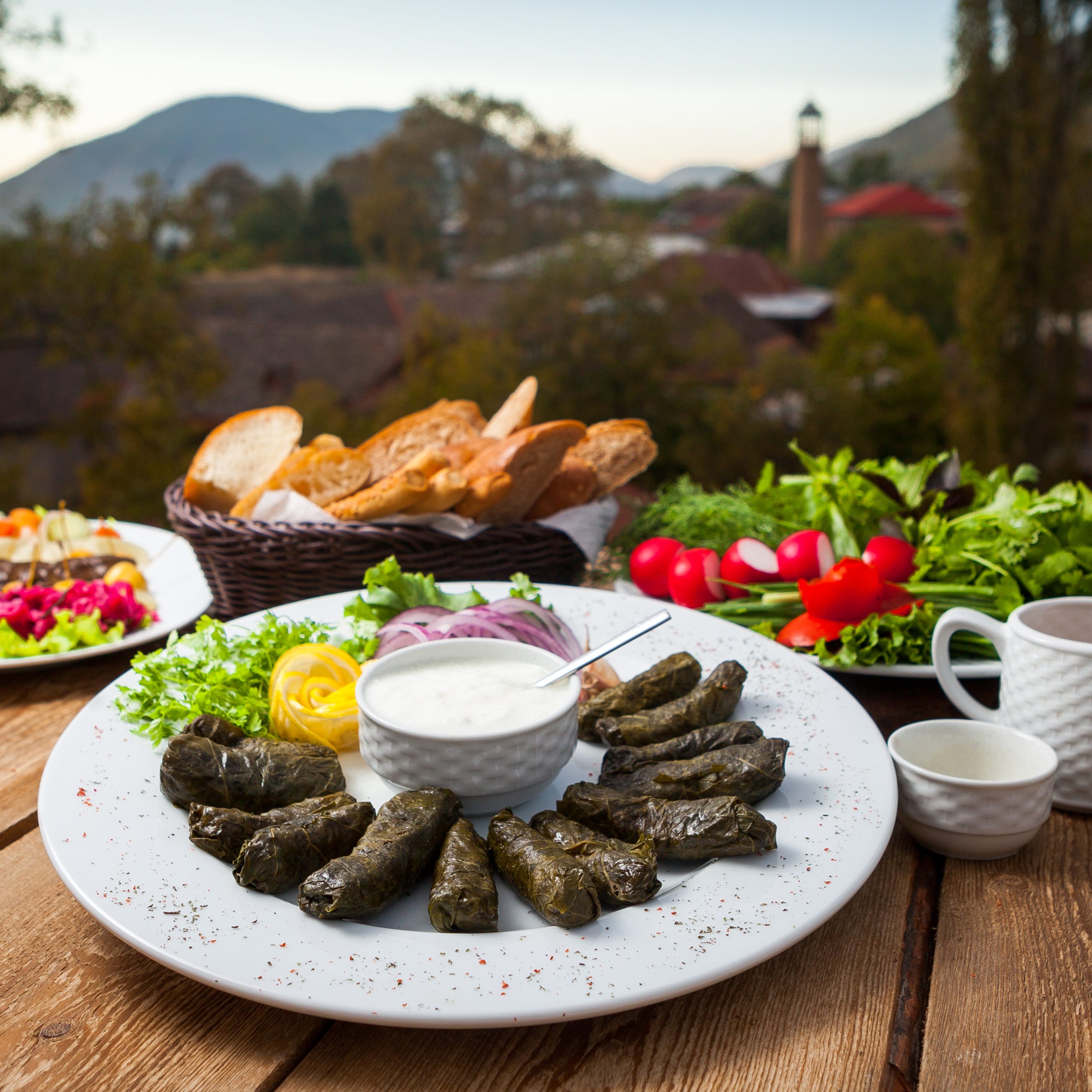
A traditional Armenian picnic spread with dolma, fresh herbs, bread, and vegetables enjoyed outdoors with a mountain view.
When summer arrives in Armenia, something shifts. Weekends stop being about staying indoors and start being about packing the car, grabbing a few kilos of marinated meat, and heading to a riverbank, a mountainside, or a shaded spot near Lake Sevan. Armenian picnic culture isn’t a casual pastime. The deeply rooted tradition that brings generations together around fire, food, and conversation.
However, if you’ve never experienced an Armenian picnic, here’s what makes it one of the most joyful and meaningful summer customs in Armenian life, and why it travels so well to
diaspora backyards everywhere.
What Makes an Armenian Picnic Different
An Armenian picnic rarely happens with just one or two people. It’s a family affair, parents, grandparents, cousins, neighbors, and whoever happens to be visiting that week. Tables (or blankets) overflow with food, someone is always in charge of the fire, and the gathering can easily stretch for hours, sometimes the entire day. There’s no rigid schedule. People arrive, eat, chat, take a walk, return for more food, and repeat. The point isn’t efficiency. It’s togetherness.
The Heart of the Table: Khorovats
No Armenian picnic is complete without khorovats, Armenia’s beloved grilled meat tradition. The word itself simply means “grilled,” and the dish has become something close to a national symbol, appearing at weddings, birthdays, holidays, and, most of all, summer picnics in nature.
Preparing khorovats is a ritual in itself. Chunks of pork, lamb, beef, or chicken are marinated, often with little more than onion, salt, and pepper, then threaded onto long metal skewers called shampoor and grilled slowly over charcoal, never an open flame. Someone is always assigned “fire duty,” tending the coals and turning the skewers while everyone else relaxes nearby. Many families insist that dry grapevine wood makes the best coals, and most will tell you their father makes the best khorovats in the family, a friendly debate that never really gets settled.
Likewise, vegetables get the same treatment. Eggplant, tomatoes, and bell peppers are grilled alongside the meat, then peeled and chopped into a smoky, simple salad that cuts through the richness of the meal.
Beyond the Grill: What Else Is on the Spread
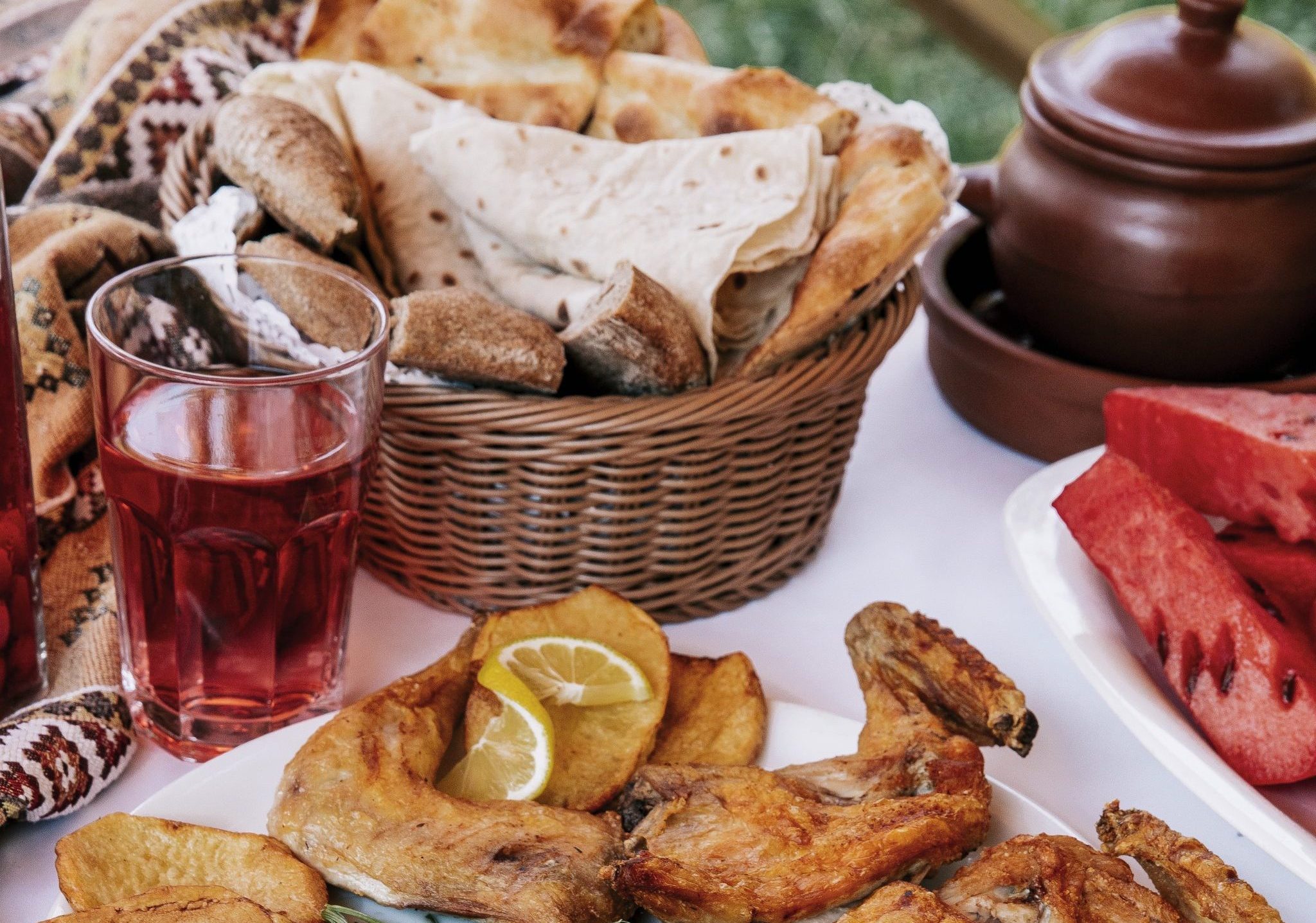
- Lavash – thin flatbread used to wrap bites of meat and vegetables
- Fresh herbs and greens – tarragon, basil, mint, and scallions, often eaten on
their own - Cheese – usually a salty, brined Armenian-style cheese
- Tomato and cucumber salad (Summer salad) – simple, refreshing, and always present
- Watermelon and Melon – a sweet finish that matches the season, some Armenians even like to combine watermelon with the cheese.
- Wine or homemade fruit compote: there’s an old saying that khorovats without wine “isn’t worth much”Everything is shared from common plates, and no one really keeps track of who brought what.
Where Armenians Picnic
Armenia’s landscape practically invites people outdoors. Popular picnic spots include the shores of Lake Sevan, forested areas around Dilijan, riverside spots in Hrazdan or Aghveran, and countless unmarked clearings along mountain roads that locals know by heart. City parks fill up quickly too, especially on weekends, with the smell of grilling meat drifting through the air. It’s common to see multiple families set up near each other, and it’s not unusual for neighboring groups to end up sharing food, stories, or even borrowing each other’s grill once their own coals are ready
A Tradition That Travels
For Armenians in the diaspora, the picnic tradition hasn’t faded. The same instinct holds: gather the people you love, fire up the grill, and let the meal stretch on for as long as everyone’s willing to stay. It’s one of the simplest ways diaspora families pass Armenian culture down to the next generation, no translation needed.
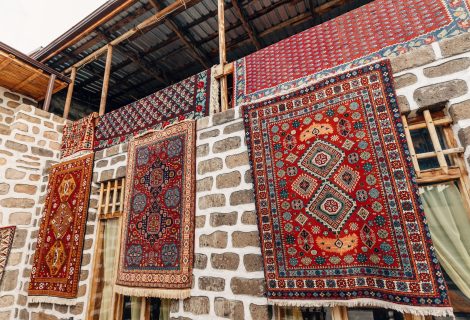
If you want to bring a touch of that tradition to your own gathering, small details go a long way. A handwoven tablecloth, a set of ceramic serving dishes, or an Armenian cookbook can turn a regular backyard cookout into something that feels a little closer to home. Browse Armenian-made home and kitchen pieces that fit right into your own version of the tradition.
If you want to bring a touch of that tradition to your own gathering, small details go a long way. A handwoven tablecloth, a set of ceramic serving dishes, or an Armenian cookbook can turn a regular backyard cookout into something that feels a little closer to home.
Browse Armenian-made home and kitchen pieces that fit right into your own version of the tradition.
Armenian picnic culture is about much more than food. It is about family, tradition, and the joy of gathering outdoors.
From khorovats over charcoal to conversations around a shared table, these summer gatherings keep Armenian culture alive across generations.