Food as Memory: The Role of Armenian Cuisine in Cultural Identity
Food is never just food. For Armenians, especially those living outside the homeland, meals carry memory, history, and identity. Long before children learn dates or historical facts, they learn who they are through taste, smell, and shared moments around the table. This is why the role of Armenian cuisine in cultural identity is so powerful. It preserves heritage in a way that feels lived, not taught.
A dish can recall a grandparent’s kitchen, a village left behind, or a holiday celebrated across generations. Armenian cuisine connects people to their roots in the most human way possible.
Understanding the Role of Armenian Cuisine in Cultural Identity
Culture is often passed down quietly. It lives in habits, routines, and traditions repeated over time. Food is one of the strongest carriers of those traditions.
The role of Armenian cuisine in cultural identity lies in its ability to:
- Preserve family history through recipes
- Reinforce shared values like hospitality and togetherness
- Create continuity across generations and borders
When Armenians prepare familiar dishes, they’re not just cooking, they’re repeating an act that has been done the same way for decades, sometimes centuries.
Recipes as Family History
Many Armenian recipes are not written down. They are remembered. Measured by hand, adjusted by instinct, and passed from one generation to the next through observation and participation.
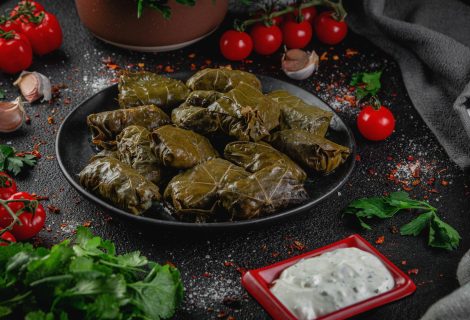
A child watching a parent roll dolma learns more than a recipe could teach. They learn patience, care, and connection. These moments explain the role of Armenian cuisine in cultural identity better than any textbook ever could.
Food becomes a form of storytelling — one that doesn’t rely on language alone.
Armenian Cuisine and the Diaspora Experience
For Armenians living in the diaspora, food often becomes the most accessible and consistent link to heritage. Language may weaken over time. Traditions may change. But food remains.
In many diaspora homes, Armenian cuisine:
- Anchors identity in unfamiliar environments
- Creates a sense of belonging within mixed cultures
- Keeps traditions alive when distance makes them harder to maintain
Even families who no longer speak Armenian fluently often maintain strong culinary traditions. This alone shows the deep role food plays in preserving identity.
Holidays, Rituals, and Shared Tables
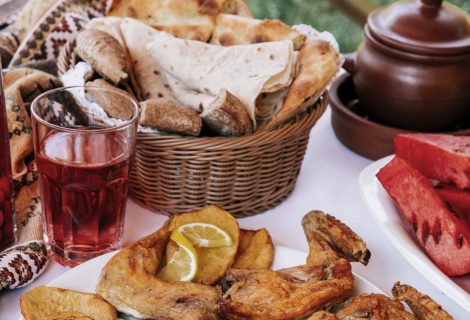
Armenian holidays are inseparable from food. Easter, Christmas, weddings, baptisms, and memorials all center around specific dishes prepared with care and meaning.
These shared meals reinforce the role of Armenian cuisine in cultural identity by marking time and memory. Certain foods are tied to specific moments, reminding families who they are and where they come from.
The table becomes a place of connection — not just celebration, but remembrance.
Food as a Bridge Between Generations
One of the most important roles Armenian cuisine plays is bringing generations together. In many families, elders take pride in teaching younger members how to prepare traditional dishes.
This process:
- Encourages conversation and storytelling
- Transfers cultural knowledge naturally
- Strengthens family bonds
Food becomes common ground between ages, especially in diaspora families where generational gaps can feel wider.
Preserving Identity Through Everyday Meals
Cultural preservation doesn’t only happen on holidays. Everyday meals matter just as much. Preparing Armenian dishes during the week, even in simple forms, keeps culture present and familiar.
This daily repetition strengthens the role of Armenian cuisine in cultural identity by making heritage part of normal life, not something reserved for special occasions.
It teaches younger generations that Armenian culture is not something they visit — it’s something they live.
The Role of Armenian Cuisine in Cultural Identity Today
In a fast-moving world where traditions can easily fade, Armenian cuisine remains one of the most resilient forms of cultural expression. It adapts without losing meaning, travels without losing roots, and connects people across borders and generations.
The role of Armenian cuisine in cultural identity is not about perfection or tradition frozen in time. It’s about continuity — keeping memory alive through shared meals, familiar flavors, and moments around the table.
As long as Armenian food is cooked, shared, and remembered, Armenian identity continues.