What to Bring to an Armenian Home: The Gift-Giving Etiquette
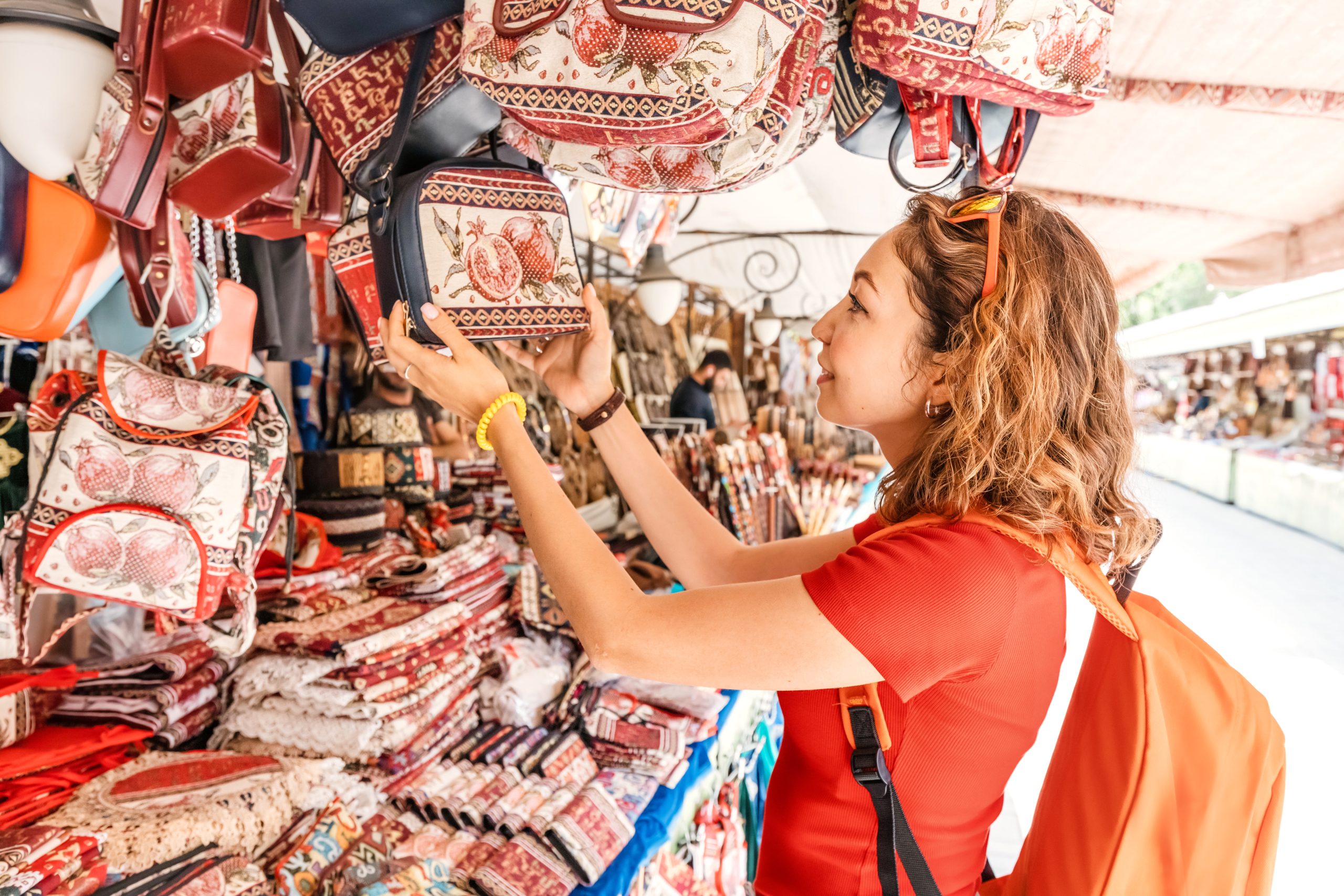
Shopping for traditional Armenian gifts
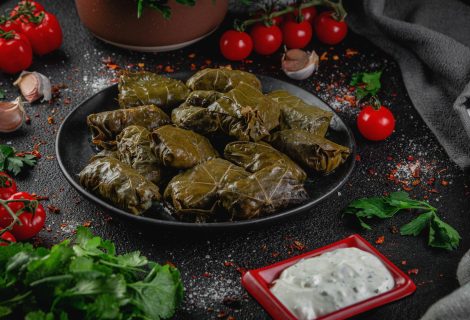
If you have ever been invited to an Armenian home, you already know the feeling. The table is overflowing. The host spent hours cooking. And somehow, despite the abundance, everyone is still being told to eat more. Armenian hospitality is generous to a fault, and gift-giving is woven right into it. Knowing Armenian gift-giving etiquette is not about following a checklist. It is about understanding a set of small gestures that speak a bigger language, one that says: I see you, I respect this relationship, and I did not come empty-handed. The main question is: what gifts to bring to an Armenian home and how to follow the gift giving etiquette.
Bringing something is part of the deal
Nobody is going to turn you away at the door if you arrive without a gift. But in Armenian culture, showing up with something in hand is expected, especially on a first visit. Hosts pour real effort into receiving guests. A gift is how you acknowledge that effort before you even sit down.
The good news is that the gift does not have to be expensive. A box of sweets, a bottle of wine, fresh fruit, or flowers all carry the same message: you were thinking of your hosts before you arrived. That thought is what counts.
The best gifts to bring to an Armenian home
- You cannot go wrong with any of the following:
- Sweets and pastries. A box of baklava, gata, or good chocolate is always welcome. Sweets can go straight onto the table, which makes them feel like a contribution to the gathering rather than just a gesture.
- Fruit. A beautiful arrangement of seasonal fruit works especially well in summer. Stone fruits, figs, or a cold watermelon for a large outdoor gathering are all solid choices.
- Wine or cognac. A good bottle is a reliable option for adult gatherings. Armenian cognac carries particular cultural weight and tends to be received with genuine appreciation.
- Flowers. Fresh flowers for the hostess are a classic and warm choice.
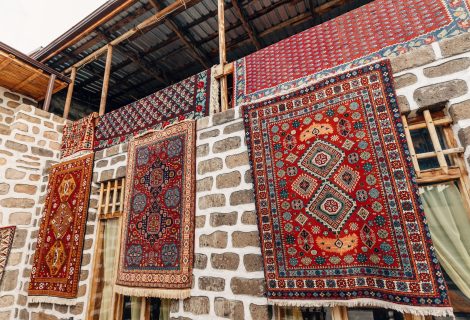
One thing to remember: always bring an odd number. Even numbers of flowers are associated with mourning in Armenian tradition, so five, seven, or nine stems is the right call. - Something handmade or Armenian-made. This is where a gift can go from nice to meaningful. A ceramic piece, a hand-woven textile, or a decorative item made by Armenian artisans carries a layer of intention that a generic purchase does not.
A few things to avoid
Most gift missteps in Armenian culture come down to reading the room. That said, a couple of things are worth keeping in mind specifically.
First, avoid even numbers of flowers for the reason above. Second, very practical or impersonal items can come across as cold in a personal setting. Gifting dish soap or cleaning products to someone who just invited you to dinner sends the wrong signal. Save the utilitarian choices for another context
How to actually hand over a gift
The way you give something matters just as much as what you give. In Armenian culture, a gift is typically offered with both hands, or at least with the right hand, and accompanied by a few warm words. You might wish the family health, happiness, or simply say you hope they enjoy it.
Do not just pass it off and move on. Take a moment. Make eye contact. A small pause here makes the gesture feel real rather than obligatory.
The “you shouldn’t have” moment (and what to do with it)
Here is something that catches many first-time visitors off guard: when you offer a gift, there is a good chance your host will initially refuse it. “You shouldn’t have” or “there was really no need” is a standard response in Armenian etiquette, and it is not a genuine decline.
What happens next is that you gently insist. Your host deflects once more. You hold the gift forward and smile. After one or two rounds of this, the gift is accepted with warm gratitude, and everyone moves on. If you are not expecting this ritual, it can feel awkward. Once you know it is coming, it is actually a rather charming part of the whole exchange.
Will the gift be opened right away?
Not always, and that is fine. In a large gathering, a host who is managing food, guests, and conversation all at once may set your gift aside to open later. This is not a sign of indifference. It is a way of not putting you on the spot or pulling attention away from the group.
If your host does open it in the moment, that is equally warm. Either way, a genuine thank-you will follow, often when you are on your way out the door.
What to bring for specific occasions
The occasion shapes the gift. A few pointers:
• Housewarming. Something lasting works well here. A decorative piece, a quality candle, or a handmade Armenian home good is the kind of gift that stays in the house and carries meaning long after the party ends.
• Birthday. Sweets are always a safe starting point. A more personal gift tied to the person’s interests will be remembered. A handwritten card goes further than you might expect in a culture that values personal expression.
• Gifts from abroad. If you are visiting Armenia from the diaspora, or returning to family after time away, bringing something from where you live carries real symbolic value. It tells the people you love that you kept them in mind while you were gone.
• New baby. Traditional gifts for a newborn tend toward the practical: clothing, blankets, items the baby will actually use. Some families also observe the custom of waiting until after the baby arrives safely before giving gifts at all, a quiet expression of care and caution.
Why any of this matters
Armenian gift-giving etiquette is not a set of rules designed to trip people up. It is a shared language, one that the whole culture already speaks fluently. Every gesture, from the choice of gift to the way it is handed over to the reflexive “you shouldn’t have”, is communicating something about respect, warmth, and the value placed on a relationship.
For diaspora Armenians keeping these traditions alive far from home, understanding that language keeps a connection going that goes well beyond the object in your hands. And for anyone stepping into an Armenian home for the first time, knowing even a little of it makes the whole experience warmer on both sides of the door.
If you are looking for a gift that already speaks the language, browse handmade Armenian gifts at ArmenianVendor.com.
There is something there for every occasion and every person on your list.