
Armenian Rugs and Wall Art: How to Style Them in a Modern Home
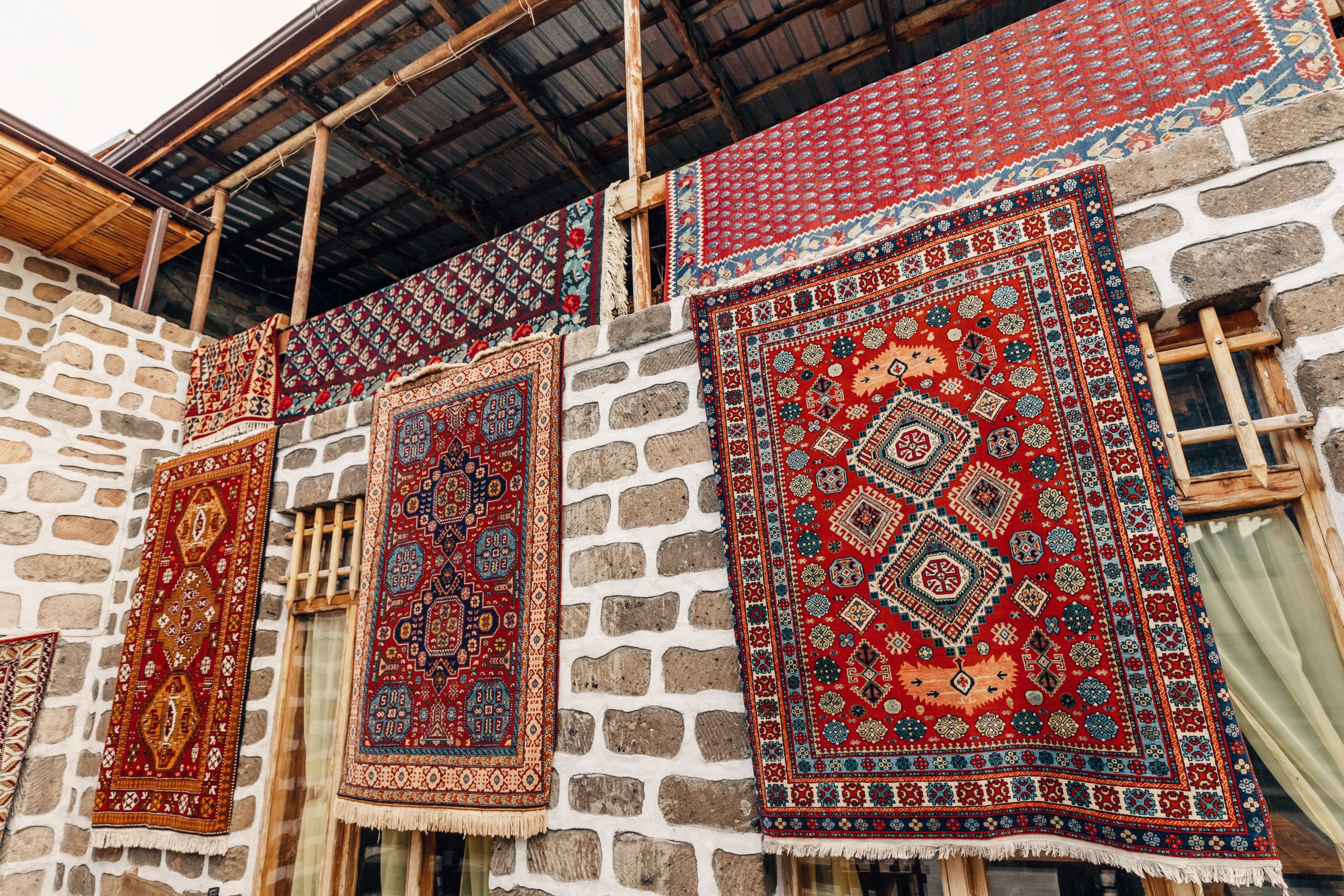
Traditional Armenian rugs, freshly washed and hung to dry, showing the bold geometric patterns and deep reds these pieces are known for.
Modern interiors love clean lines, neutral walls, and open space. Armenian rugs and wall art bring the opposite energy. They carry dense patterns, deep reds, and centuries of symbolism packed into every square inch. Putting the two together sounds like a recipe for clutter, but it rarely turns out that way.
In practice, a single traditional piece can anchor an entire modern room. The trick lies in restraint, placement, and knowing which element gets to lead. This guide walks through both.
Why Armenian Pieces Work in Minimalist Spaces
Minimalist rooms often feel cold. Flat white walls and gray sofas create calm, but they also strip away warmth and personality. A handwoven rug or a carved wall piece fixes that instantly.
Armenian textiles and art bring texture that modern furniture simply cannot produce. Wool holds light differently than polished wood. Hand knotted patterns catch the eye in a way printed decor never will. That contrast is exactly what makes the combination work.
There is also a storytelling angle. Guests notice a piece with history. They ask about it. A mass produced print from a chain store rarely starts the same conversation.
Start With One Anchor Piece
Pick one item to carry the room. Everything else supports it. For a living room, that anchor usually becomes the rug. Lay it under the coffee table so it grounds the seating area. Let the pattern show. Avoid burying it under three pieces of heavy furniture.
For a dining room or hallway, wall art tends to work better. A single large piece above a console table or sofa does more than five small ones scattered across a wall. Scale matters here. Undersized art on a big wall looks like an afterthought.
Balance Bold Patterns With Quiet Surroundings
Armenian designs run rich and complex. Give them room to breathe.
If your rug features a busy geometric pattern, keep the sofa and curtains solid. Stick to neutrals or one color pulled directly from the rug itself. This creates a visual echo without competing for attention.
The same rule applies to wall art. A patterned piece deserves a plain wall behind it. Resist the urge to hang it on wallpaper or beside a gallery wall of other prints.
When you want two Armenian pieces in one room, vary their scale and function. A large rug on the floor plus a small carved wall item usually reads as intentional. Two large patterned pieces facing each other usually reads as busy.
Pull Colors From the Piece Into the Room
Traditional Armenian textiles often feature deep reds, warm golds, indigo blues, and earthy browns. Use them as your palette guide.
Choose one accent color from the rug and repeat it twice elsewhere in the room. A throw pillow and a ceramic vase or a handmade bowl work well. Three touches of the same tone tie a space together without turning it into a theme room.
Avoid matching everything exactly. Slight variation in shade looks natural. Perfect matches look staged.
Mind the Lighting
Handwoven texture disappears under flat overhead light. Wool looks dull. Carved detail flattens out.
Warm directional lighting solves this. A floor lamp angled toward a rug brings out its depth. A picture light or nearby wall sconce does the same for art. Natural daylight works best of all, so consider a wall that catches morning or afternoon sun.
One caution applies here. Direct sunlight fades natural dyes over time. Position pieces near light, not directly in its path, and rotate rugs every few months to even out any wear.
Common Mistakes to Avoid
A few habits undercut otherwise good styling choices.
Hanging art too high is the most frequent one. This applies to framed Armenian photographs just as much as wall art. Center the piece at eye level, roughly 57 to 60 inches from the floor. Most people hang several inches above that without realizing it.
Choosing a rug that is too small comes second. In a living room, the front legs of your sofa and chairs should sit on the rug. A small rug floating in the middle of a room makes the space feel smaller, not larger.
Skipping small accent pieces is a mistake too, since not every room needs a full sized rug to feel connected to the look. Patterned rug style drink coasters bring the same texture and color to a kitchen counter or coffee table without asking for a big commitment. They work well for anyone who wants to test the aesthetic before buying a larger piece.
Finally, do not treat traditional pieces as museum objects. Rugs are meant to be walked on. Art is meant to be lived with. Overprotecting them keeps them from doing their job.
Caring for Your Pieces
Good care keeps these items looking right for decades. Vacuum rugs regularly, but skip the beater bar on handwoven wool. Blot spills immediately instead of rubbing. Professional cleaning every few years handles the rest.
For wall art, dust gently with a soft dry cloth. Keep pieces away from bathrooms and kitchens where humidity and grease build up.
Bringing It Together
Styling Armenian pieces in a modern home comes down to one idea. Let the traditional element lead, and let everything else step back.
Start with one strong piece. Keep the surrounding palette simple. Light it properly. Then live with it. The result feels layered and personal rather than decorated, which is exactly what most modern rooms are missing.
We would be happy to help you find home decor that highlights your background and brings a piece of Armenian heritage into your space