Dolma Recipe: The Traditional Armenian Way
Traditional Armenian Tpov Dolma
If you have ever sat at an Armenian dinner table, chances are a plate of dolma was somewhere in front of you. Warm, fragrant, and wrapped by hand, dolma is one of those dishes that instantly says home.
It is comfort food, celebration food, and Sunday family dinner food, all rolled into one small, delicious bundle.
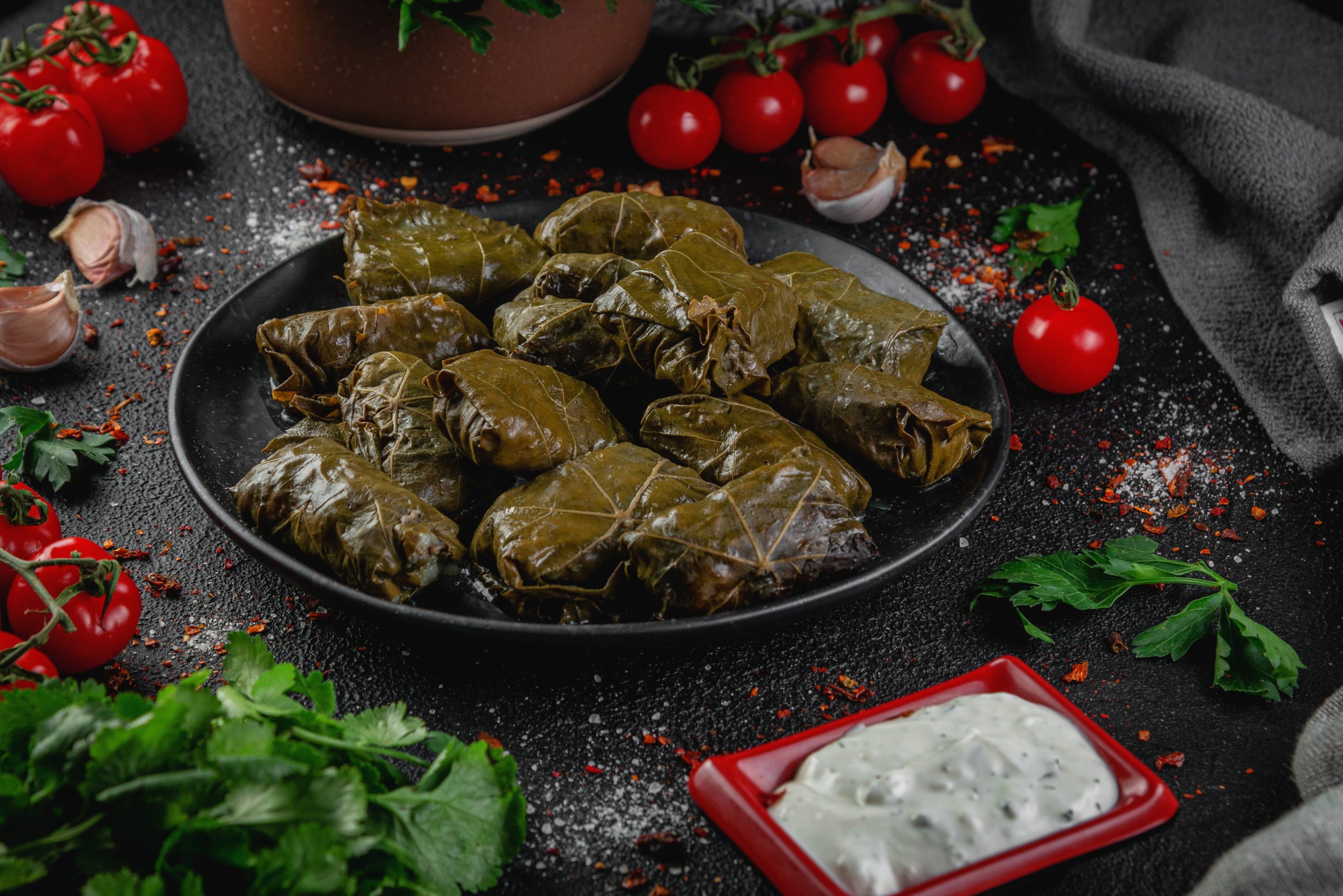
Today we are talking about the most loved version of all, tpov dolma, the classic grape leaf dolma made the traditional Armenian way. Dolma can also be made with stuffed vegetables like bell peppers, tomatoes, and
eggplant, especially in the summer months, but it is tpov dolma that most people picture when they think of this
dish. No shortcuts, no store bought filling. Just the real thing.
What Is Dolma, Exactly?
In Armenian homes, this dish is often called tolma, and it has been part of Armenian cooking for centuries. The grape leaf version we are making today is known as tpov dolma, while the version made with stuffed vegetables is
its own summer variation, often made with a tomato based filling. Both are stuffed with a seasoned mixture of rice and meat, then simmered low and slow until everything melts together. Ask any Armenian family and they
will tell you their version, passed down through their own grandmother, is the one that really counts.
People often ask what the difference is between dolma and sarma. In general, sarma refers specifically to leaf wrapped rolls (like grape leaves or cabbage), while dolma can refer to both the wrapped rolls and vegetables that
are hollowed out and stuffed. In everyday Armenian cooking, though, the word dolma tends to cover the whole family of stuffed dishes.
What You Will Need
For the filling:
- 1 pound ground beef or lamb (or a mix of both)
- 1 cup short grain rice, rinsed
- 1 medium onion, finely chopped
- 2 tablespoons fresh parsley, chopped
- 1 clove garlic, minced
- 1 teaspoon dried mint (a small touch many Armenian grandmothers swear by)
- 1 teaspoon paprika
- Salt and black pepper to taste
- 1 tablespoon butter, softened
For wrapping and cooking:
- 40 to 50 grape leaves (fresh or jarred, rinsed if brined)
- 2 to 3 tomatoes, sliced
- 2 to 3 tablespoons butter, melted
- 2 cups water
- 1 lemon, cut into wedges, for serving
- Garlic matsun, for serving
How to Make Dolma the Traditional Way
Step 1: Prepare the filling
In a large bowl, combine the ground meat, rinsed rice, chopped onion, parsley, garlic, dried mint, salt, and pepper. Add the softened butter and mix everything together with your hands until well combined. The mixture should feel moist but hold together easily.
Step 2: Prep your grape leaves
If you are using fresh grape leaves, blanch them briefly in boiling water until softened, then let them cool. If using jarred leaves, rinse them well under cold water to remove excess brine, since this step makes a real difference in the final flavor.
Step 3: Roll the dolma
Lay a grape leaf flat, shiny side down, stem facing you. Place about a tablespoon of filling near the base, fold the sides inward, then roll tightly away from you, like a small cigar. This part takes a little practice, but do not worry if your first few are not perfect. Even the most seasoned Armenian cooks say their first batch always looks a little different from their last.
Step 4: Layer the pot
Line the bottom of a heavy pot with a few grape leaves and tomato slices to protect the dolma from scorching. Arrange the rolled dolma snugly in circular layers, seam side down, packing them close so they hold their shape while cooking.
Step 5: Simmer low and slow
Pour the melted butter over the top, then add enough water to just cover the dolma. Place a small heatproof plate directly on top to keep everything weighted down, cover the pot, and simmer on low heat for about 45 to 60 minutes, until the rice is tender and the leaves are soft.
Step 6: Rest, then serve
Let the dolma rest for about 10 minutes before serving. Serve warm with garlic matsun and a wedge of lemon on the side.
A Few Tips From Armenian Kitchens
Every family has their own version, and that is part of what makes dolma so special. Some cooks use only lamb for a deeper, richer flavor, while others prefer the mix we used here, or simply beef. If you want a vegetarian dolma, simply skip the meat and increase the rice, adding extra herbs, chopped mushrooms, or even lentils for texture. Whatever version you choose, the key to great dolma is patience. Rolling each piece by hand and letting it simmer slowly is what turns simple ingredients into something that feels like it was made with love, because it was.
Why Dolma Means More Than Just Dinner
In Armenian culture, dolma is often the dish that brings generations into the kitchen together. Grandmothers teach grandchildren how to roll the leaves just right, and it becomes less about the recipe and more about the time spent together. Making it at home, even outside of Armenia, is a small way to keep that tradition alive.
If you love learning about the food, symbols, and stories behind Armenian culture, explore more of our collection of authentic Armenian products and heritage inspired gifts, made to bring a piece of that tradition into your home.