Top Picks: Handmade Armenian Home Décors That Tell a Story
Home décor is more than just furniture or color schemes. It’s a reflection of who we are, where we come from, and what we value. For Armenians and lovers of Armenian culture, adding handmade Armenian home décors bring more than style. It brings heritage, symbolism, and soul into every room.
In this blog post, we explore our top handmade Armenian home décor picks—each with a story to tell. Whether you’re redecorating your space or searching for meaningful gifts, these pieces connect you to centuries of craftsmanship and tradition.
Why Choose Handmade Armenian Home Décors?
Armenia has a long history of art and craftsmanship. From stone carvings to woodwork, needlework to pottery, Armenian artisans have passed their skills from one generation to another. Many décor items today are made using these same traditional techniques, updated with a modern touch.
Buying handmade Armenian home décors:
- Supports Armenian artisans and small businesses
- Helps preserve traditional techniques
- Adds unique, meaningful elements to your home
Plus, no two handmade items are exactly the same—which makes your home truly one of a kind.
-
Hand-Painted Ceramic Bowls and Plates
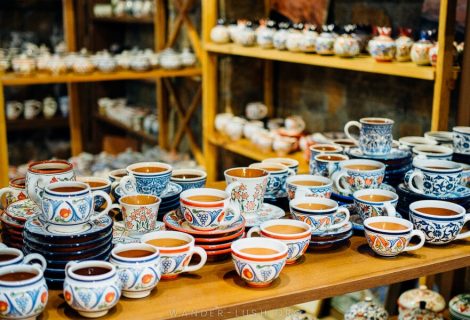
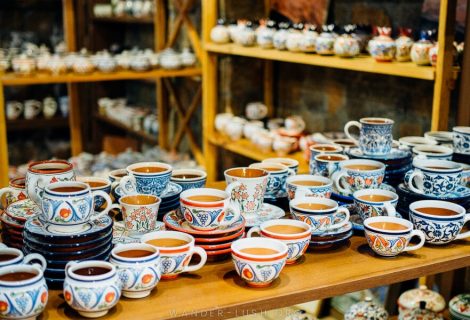
Armenian ceramics are famous for their vibrant colors and traditional motifs. Cities like Kutahya and Jerusalem were known centers of Armenian ceramic production. Today, many artists recreate these styles, often adding Armenian symbols like pomegranates, birds, or eternity signs.
These hand-painted bowls and plates work as:
- Table centerpieces
- Wall hangings
- Everyday kitchenware
They bring color and tradition to your dining room or kitchen while telling stories from Armenian folk art.
-
Khachkar-Inspired Wall Art
A khachkar (cross-stone) is a carved memorial stone found throughout Armenia. Each one is unique, featuring crosses surrounded by lace-like patterns and botanical elements. They represent faith, endurance, and creativity.
Modern artisans create small-scale khachkar wall art using wood, clay, or resin. These pieces:
- Symbolize cultural and spiritual strength
- Are ideal for living rooms or entryways
- Make meaningful gifts for weddings or baptisms
A khachkar is not just décor—it’s a spiritual anchor.
-
Embroidered Tablecloths and Runners
Traditional Armenian embroidery is rich in geometric and symbolic designs. Styles vary by region—Marash, Aintab, and Van each had distinct patterns. Today’s handmade linens carry on this legacy with elegant craftsmanship and cultural pride.
Hand-embroidered tablecloths or runners:
- Instantly elevate your dining space
- Serve as a conversation starter
- Make heirloom-worthy gifts
Look for natural fabrics like linen or cotton for authenticity and durability.
-
Wooden Wall Clocks with Armenian Alphabet
The Armenian alphabet, created in 405 AD by Mesrop Mashtots, is a source of national pride. Many artists use it as the base for modern décor—especially for carved or engraved wooden wall clocks.
These clocks:
- Blend heritage with everyday function
- Look stunning in offices, studies, or kitchens
- Often include traditional symbols like the eternity sign or Mount Ararat
They’re more than timepieces—they’re a tribute to language and identity.
-
Pomegranate-Themed Décor
The pomegranate is one of the most beloved symbols in Armenian culture. It represents fertility, abundance, and eternal life. You’ll find it in ancient carvings, manuscripts, and folk tales.
In modern home décor, pomegranates appear as:
- Sculptures or vases
- Wall art
- Decorative bowls and trays
Handmade pomegranate pieces make meaningful additions to shelves, coffee tables, or window sills.
-
Handcrafted Wooden Boxes and Keepsake Chests
Woodcarving is a respected craft in Armenia, especially in areas like Dilijan and Artsakh. Artisans create intricate boxes using walnut or cherry wood, often decorating them with traditional patterns.
These boxes are ideal for:
- Jewelry storage
- Family heirlooms
- Personal mementos
Some include carvings of Armenian churches, alphabet letters, or symbolic birds, making each box a piece of history.
-
Armenian Tapestries and Wall Hangings
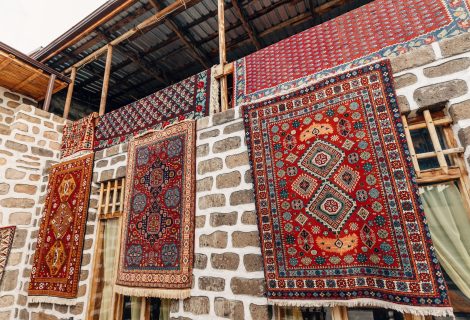
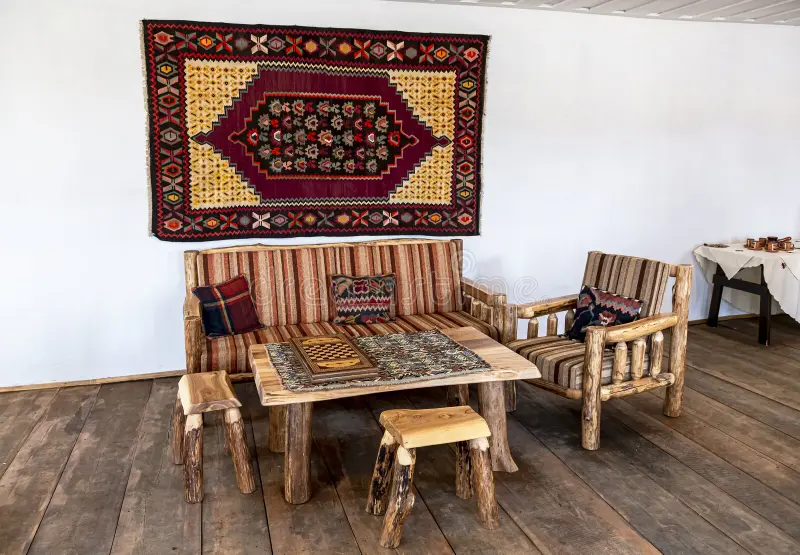
Tapestry weaving is another ancient Armenian art. Historically, women would weave detailed patterns to decorate homes and churches. Today, small-scale woven wall hangings and rugs continue the tradition.
These add:
- Warmth and texture to walls
- Cultural color palettes to minimalist spaces
- A touch of Old World charm
Choose smaller pieces for hallways or offices, or larger ones to serve as focal points in living rooms.
-
Evil Eye and Protection-Themed Ornaments
While not unique to Armenians, the evil eye symbol—called “aghts”—is widely used to ward off negativity. Armenian artisans craft evil eye designs with a distinctive style, using glass, ceramic, or textiles.
You’ll find:
- Wall hangings for protection
- Decorative plates or coasters
- Keyholders or magnets
They combine aesthetic appeal with a deep cultural belief in safeguarding the home.
Supporting Artisans and Stories That Matter
When you buy handmade Armenian home décor, you’re not just decorating your space. You’re keeping a story alive. Many artisans work through organizations like the Homeland Development Initiative Foundation (HDIF), which empowers women in Armenia by helping them sell their handmade goods globally.
Each item you bring into your home carries a story of tradition, resilience, and creativity. And each purchase helps build a better future for Armenia’s craftspeople.
Conclusion
Decorating with handmade Armenian home décors add more than style. It brings history, meaning, and heart into your space. Whether it’s a pomegranate sculpture, a hand-embroidered table runner, or a wall clock etched with ancient letters, each piece tells a story rooted in Armenian identity.
So next time you want to refresh a room, don’t just think about colors or themes—think about culture. Let your home be a gallery of your heritage.